
We design, fabricate, and install exhibits from our own shop in Orlando, a short drive from the Orange County Convention Center. If you are exhibiting from Europe, Asia, or Latin America, your booth is already in the city before your flight lands, and someone is on the floor when something changes.
The booth is not what makes an international exhibit go wrong. It is the eight time zones between the person who built it and the person standing on the floor at 7 a.m. on install day. Freight that arrives at the wrong marshalling yard. A power drop ordered on the wrong form. A hanging sign approved too late.
None of it is complicated. All of it is expensive when your partner is asleep.
We build in our own facility in Orlando. Your booth does not cross the country to reach NPE, and the people who built it are the people who install it. Fewer handoffs means fewer things lost between them.
Live equipment changes everything about a booth: floor load, access aisles, install sequence, power, compressed air, water and drainage, guarding, and how visitors move around a running cell. We design around the machine first and the graphics second.
You explain your booth once, in your own language, to someone who understands both the design and the show rules. Nothing is translated twice on its way to the floor.
After NPE, we store your exhibit and prepare it for your next US show. Reuse is the cheapest exhibit strategy there is, and it only works if someone local is holding the crates.
Most exhibitors come to us for everything. Some come to us because their designer is in Europe and they need a builder in Florida. Both work.
No exhibit house can give you a firm number before knowing what goes inside the booth. These are the ranges we work in. Send us your booth number and what you plan to show, and you get a real number in 24 hours.
| Booth size | Range | What moves the number |
|---|---|---|
| 10 x 10100 sq ft | US$ 10,000 to 15,000 | Furniture, screens, shelving, storage closet |
| 10 x 20200 sq ft | US$ 18,000 to 30,000 | Meeting area, product display, second graphic level |
| 20 x 20 island400 sq ft | US$ 45,000 to 80,000 | Hanging sign, four-sided design, structural engineering |
| 20 x 30600 sq ft | US$ 70,000 to 120,000 | Enclosed meeting room, machinery integration, utilities |
| 20 x 40 and up800+ sq ft | From US$ 95,000 | Multiple zones, heavy utilities, custom structure |
Ranges cover design, fabrication, graphics, install and dismantle. Show services (drayage, electrical, rigging, cleaning) are ordered through the official contractor and billed at cost. Booths built around live machinery often land at the lower end of their range, because the equipment does the work the structure would otherwise do.
You approve a render. You should get that booth. Drag the slider.
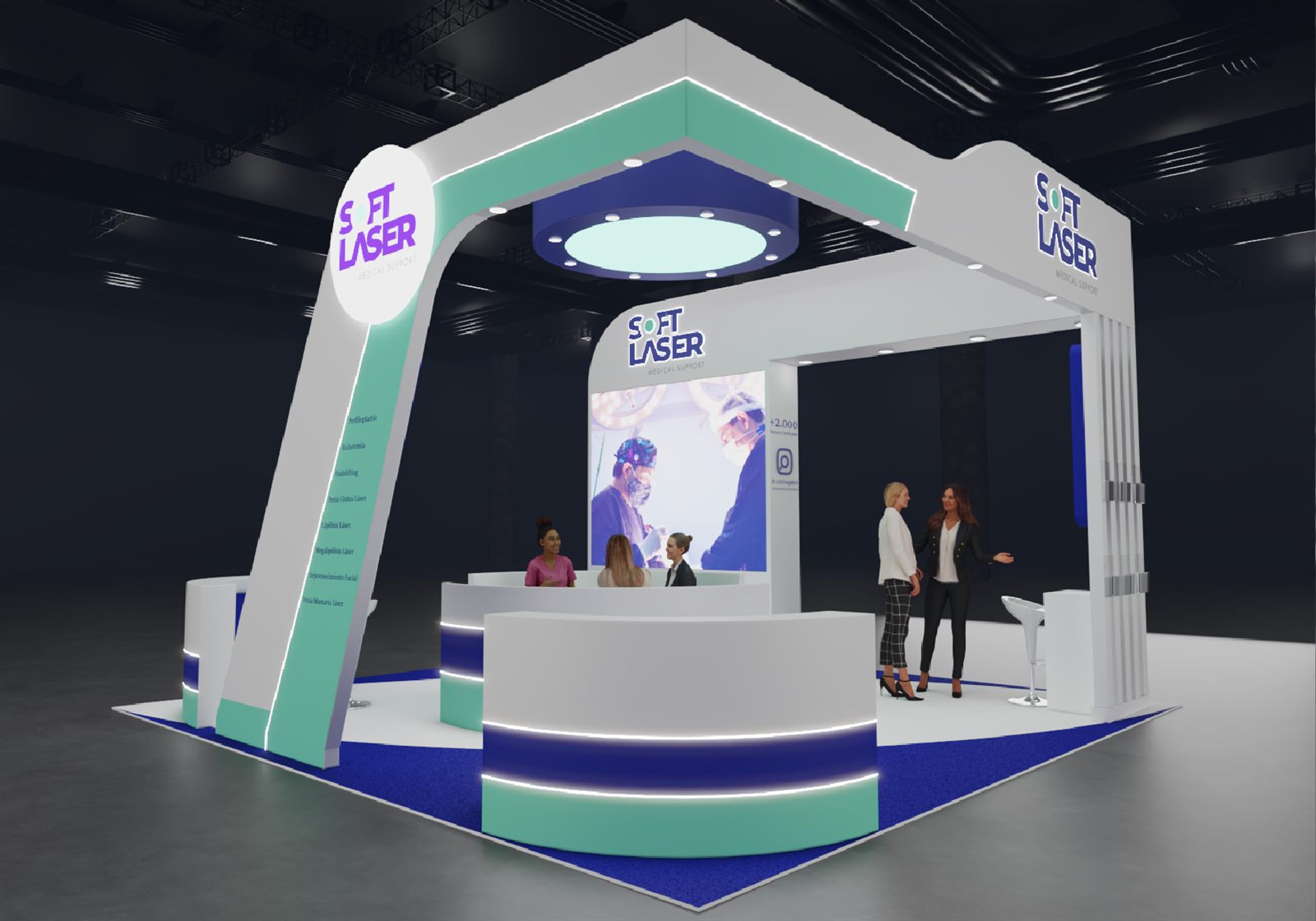
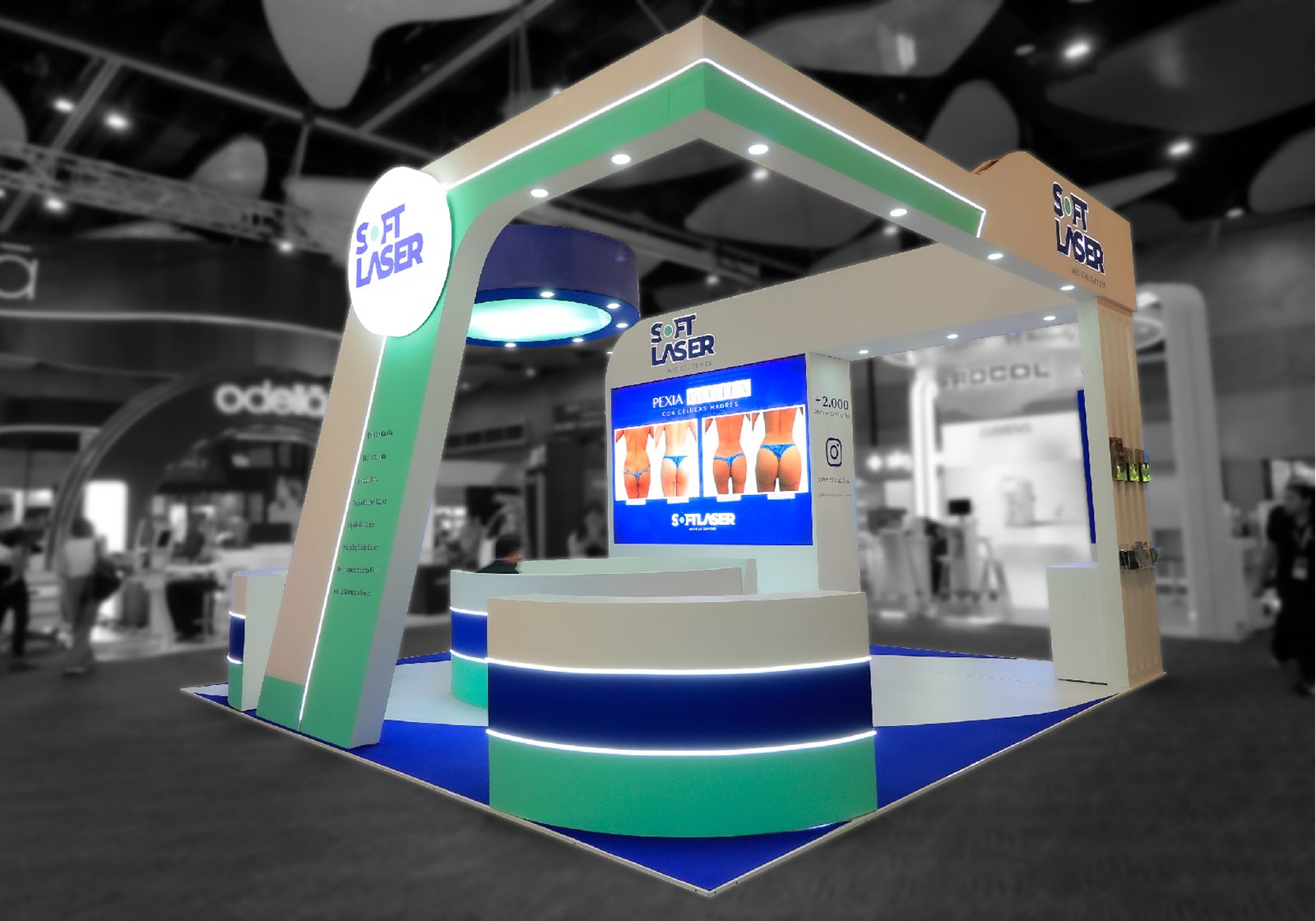
Not renders. Finished exhibits on real show floors, for brands exhibiting away from home. Tap any project to open its gallery.
Clients on camera, not paraphrased quotes on a slide.
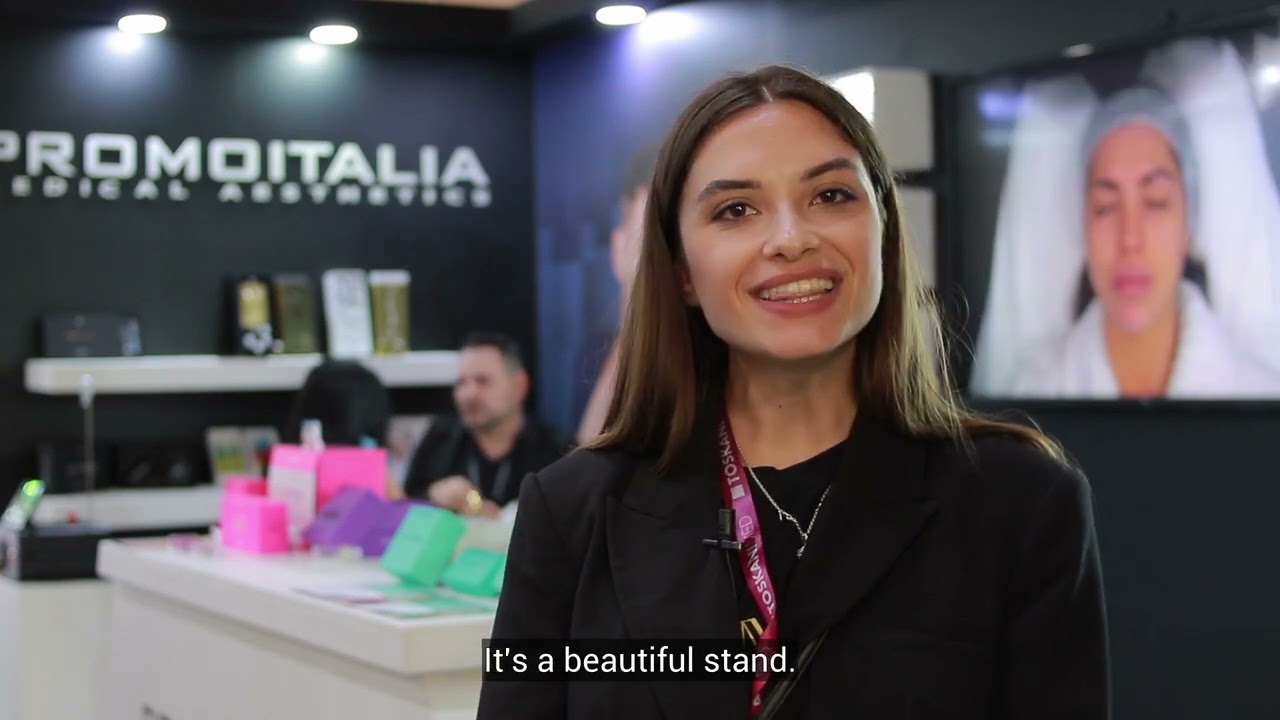
“The style is what I liked the most, it represents our company 100%.”
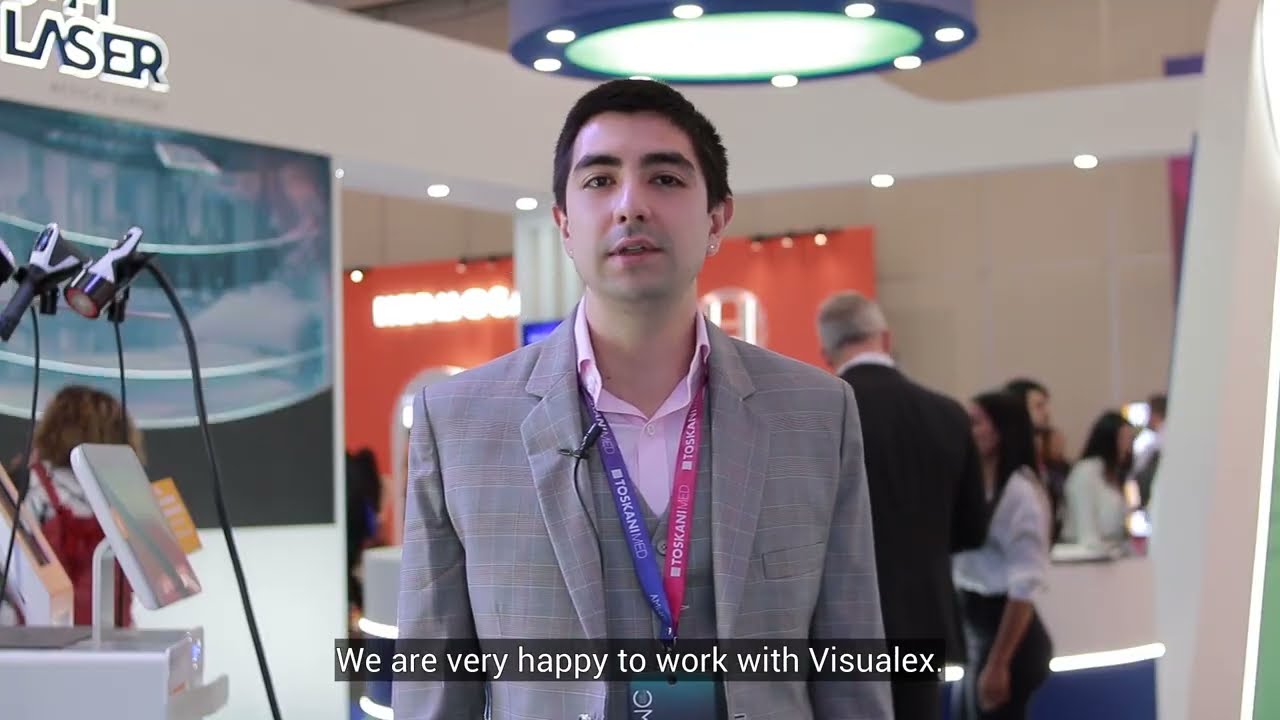
“Every year they amaze us with their designs. Always on time, everything goes to plan.”

“An amazing booth: well organized, and our visitors are happy.”
Everything below is published by PLASTICS. We do not guess the rest, and neither should anyone quoting you.
Yes, and most of the floor does. It changes your utility order (three-phase power, compressed air, water and drainage), your floor plan (access aisles and service clearance), your install sequence (the machine lands before the booth closes around it), and your safety guarding. Plan the utilities before you plan the graphics.
US show power is different from European supply, and a transformer is usually the answer. It is a rental line item on the exhibitor kit and it has to be ordered against the advance deadline like everything else. Send us the nameplate specs and we handle the order.
Florida is a right-to-work state, which makes Orlando more flexible than Chicago or Las Vegas. Your own personnel can do more, and an exhibitor appointed contractor like us can install your booth with the correct forms and insurance filed on time. The paperwork is the part people miss.
Drayage is the charge for moving your freight from the dock to your booth space and back, billed by weight. For machinery it is often the single largest show services line, and it is charged in both directions. A booth built in Orlando skips most of that freight. Your machine will still pay it.
We wrote up the mechanics in drayage, explained.
Yes. We can take delivery in Orlando, hold it, and coordinate it to the floor on your target date instead of gambling on international freight hitting a marshalling yard window.
We work with your freight forwarder on it. A carnet is usually the cleanest route for equipment that goes home after the show, but it has to be opened before shipping, not after.
That is the point. We store it in Orlando, refresh graphics, and adapt the structure to your next booth size.
For a first US show at 10 x 10 or 10 x 20, rental usually wins. Above 20 x 20, or if you exhibit in the US more than once a year, building and storing tends to cost less by the second show. We will tell you which one your case is, including when the answer costs us the bigger project.
The arithmetic is in rent or buy your exhibit.
Tell us your show, your space, and what you want the booth to do. Within 24 hours you get design directions, a scope, and a real number. No obligation, and no discovery call required to get there.